Folk Arts and Cultural Treasures Charter School


The educational vision of the Folk Arts - Cultural Treasures Charter School:

We build strong academic skills:

  • Our students develop the skills they need to succeed - and to help change the world. Children will be taught how to learn and how to love learning for a lifetime.
  • Children learn best with small classes, caring teachers and high expectations. That's what we provide.
  • All teachers in the school are trained to provide focused support for English language learners.

We bring people together:

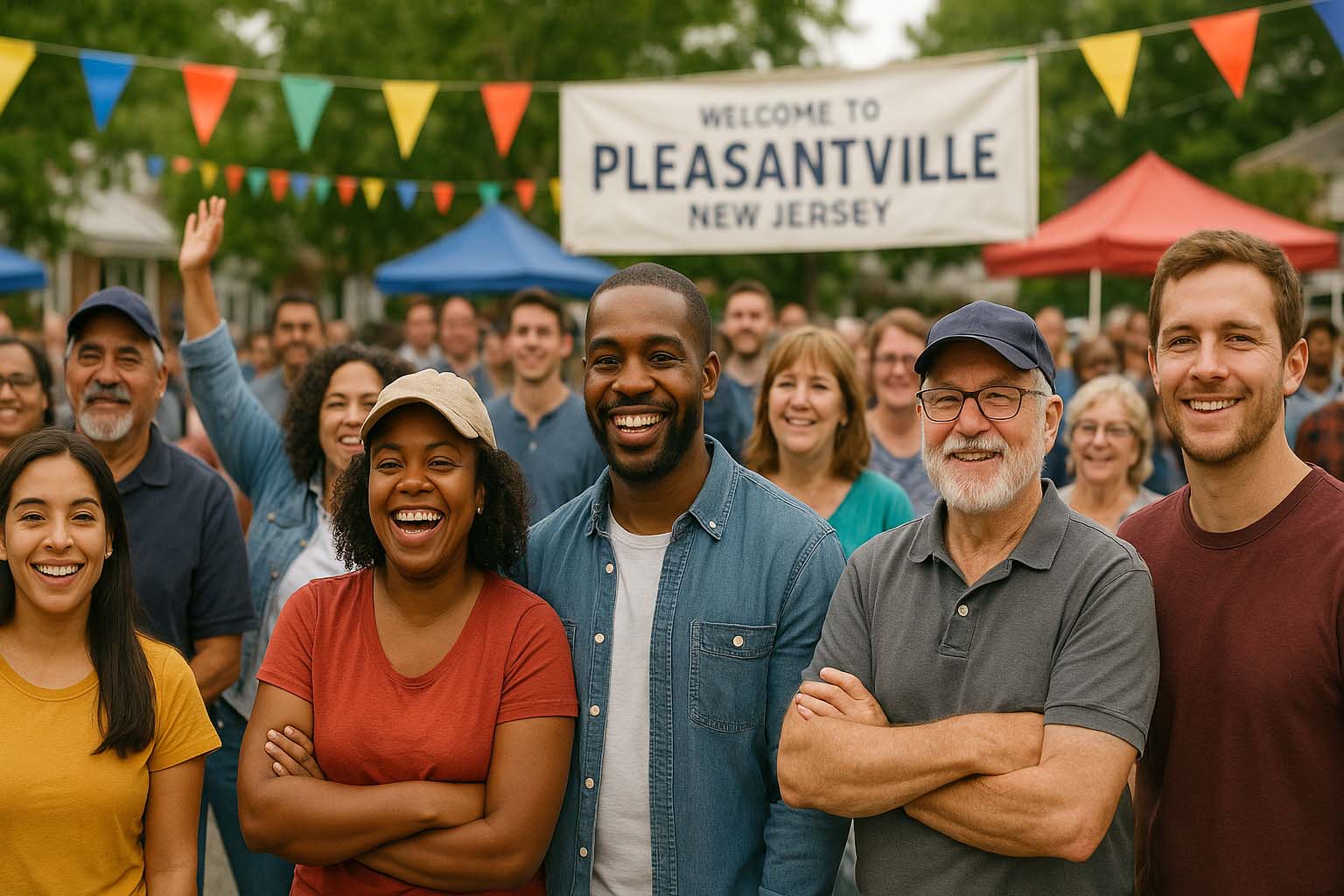
  • FACTS is a welcoming place for all students and families. Our school brings together children and families of different races and nationalities, both American-born and immigrant.

We respect culture and language:

  • Our school honors the languages and cultures of our students and families.
  • FACTS is committed to including parents, families, and community members in the life of the school.
  • Children need to learn about themselves as they learn about the world.

Throughout our school day, we pay close attention to our children's cultures and identities.

We use folk arts to strengthen students' spirits and their communities:

  • Folk arts - arts that come out of communities and that are valued in the communities - are a central part of FACTS. These arts bring life, energy, and excitement to the students' learning and give students a connection to history and to one another.

We are part of a community:

Our children learn what it means to be a part of a community - people who care for one another and for the environment they share. FACTS instills a sense of responsibility towards the community of which our children are a part. Activities such as planting a community garden, organizing a recycling program, or helping create a community festival, give children a sense of purpose and increased motivation to learn. Students learn that being part of a community means being active, involved, responsible - and supported.

We are dedicated to building a collaborative and collegial teaching and learning environment for our staff and our children and families. We have a high-quality school design model which supports best practices in instructional delivery.

Educational programs

Project CHILD:

For its core academic program, FACTS uses a nationally-recognized teaching model called Project CHILD (Changing How Instruction for Learning is Delivered). Project CHILD is a research-based teaching and learning system for grades K-5, which emphasizes multiples learning styles in core areas of reading, writing, and mathematics. (To learn more about Project Child, visit http://www.ifsi.org/child.htm)

In each teaching team, teachers take responsibility for one of the three core areas - reading, writing or mathematics. Each subject area is taught across three grades in either the primary or intermediate cluster. For example, a primary cluster reading teacher will teach reading to a kindergarten class, then a first grade class, and then to a second grade class. Science and social studies are incorporated in the program.

The academic program focuses on integrated teaching units divided into six week units. Each teacher utilizes direct instruction in his or her subject area and trains students to work independently at six learning stations within his or her classroom. The work stations focus on different skills and learning styles. Each classroom will maintain:

  • a teacher station for small group tutorials and individual assistance;
  • a textbook station for paper/pencil work;
  • a computer station for technology-based work;
  • three activity stations: a challenge station for activities in a game-like format, an imagination station for creative expression, and an exploration station for hands-on activities.

The goal of the six-station concept is to accommodate and focus on multiple ways of learning a particular skill or concept.

Teacher Collaboration in Project CHILD:

Project CHILD emphasizes the importance and strength of teacher collaboration. Teachers within each cluster (primary and intermediate) work cooperatively to support and build their instructional program. All teachers participate in weekly structured cluster meetings, and in joint planning and unit-culminating activities. In addition, structure is provided for teachers to observe and provide feedback on one another's work.

Student Engagement:

All students at FACTS are taught to become self-directed and active learners. In the Project CHILD model, students are:

  • taught to take responsibility for their learning;
  • encouraged to work cooperatively and independently;
  • encouraged to control, use and store learning materials;
  • taught to use learning "passports" to set goals, record information, express opinions, and evaluate their accomplishments.

Other educational programs:

We will be using highly regarded programs for math (Singapore Math), and reading (100 Book Challenge).

Arts-Based Education:

Our school embodies a unique and focused vision of arts-based education centering specifically on folk arts.

What are Folk Arts?
Folk arts can take on many forms from gardening to dance to the martial arts. Folk arts are bound together by particular defining features:

  • They represent time-honored vernacular education systems;
  • They function as ways of teaching and passing on valued knowledge;
  • They are owned by and known within the communities of our students; and
  • These arts are connected to community values and convey meaning to people.

Why Folk Arts?
FACTS focuses on folk arts because they represent collective action and shared values. The use of these arts embeds into the life and culture of the school the very ideals which are most meaningful to the communities themselves. Just as children need to be physically healthy, they also need to be culturally healthy. Folk arts serve as vehicles to bridge children to elders, school to community, and school community members to each other.

Integrating Folk Arts into the Curriculum
Folk artists work in our school as artists in residence. They work with teachers and students to teach their craft and to tie folk arts to the curriculum. In their classes, students may:

  • read or write about a traditional art form or the culture from which that form comes;
  • write the stories of the dances they are learning;
  • conduct community surveys to find people with local knowledge;
  • record and write oral histories; or
  • use their knowledge of textiles to define mathematical concepts such as symmetry and measurement.